RV Waterproofing for Coaches, Fifth Wheels, and Whole Fleets
Alasta Seal polyurea seals a Class A the same way it seals a travel trailer — one seamless membrane over the roof, the caps, the seams, and the bays, with Super Orange Cleaner prep and 7001 Primer underneath. Built for dealers, rental fleets, RV parks, and mobile techs who need units back on the pad the same day.
Get Fleet & Dealer PricingWhat Changes When You Stop Maintaining Seals
One Membrane Across Every Coach Class
A 40-ft diesel pusher, a 26-ft Class C, a fifth wheel with three slides, and a single-axle travel trailer all use the same three-product system. Different square footage and different detail counts — same spec, same crew, same rig.
Removes a Recurring Line Item
Factory lap sealant is a scheduled maintenance item with a three-to-five year life. On a rental fleet or a park with long-term units that is a recurring labor cost with a recurring failure rate. A seamless membrane deletes the line item rather than resetting its clock.
Same-Day Turnaround
Gel in seconds, tack-free in under a minute, back on the pad or the lot the same afternoon. For a rental operation in season or a dealer with a delivery date, cure time is the constraint that matters most — and it is the one polyurea removes.
Protects Resale, Not Just the Roof
Water intrusion is the single largest destroyer of RV value. A documented seamless roof and seam seal is a real line on a trade appraisal and a real argument at the point of sale — and it is far cheaper than the delamination claim it prevents.
Across the Whole RV Fleet
Motorized and towable, owner units and rental inventory — the surfaces we seal on an RV waterproofing scope.
- Class A & Class C coach roofs
- Fifth wheel roofs & front caps
- Travel trailer roofs & seams
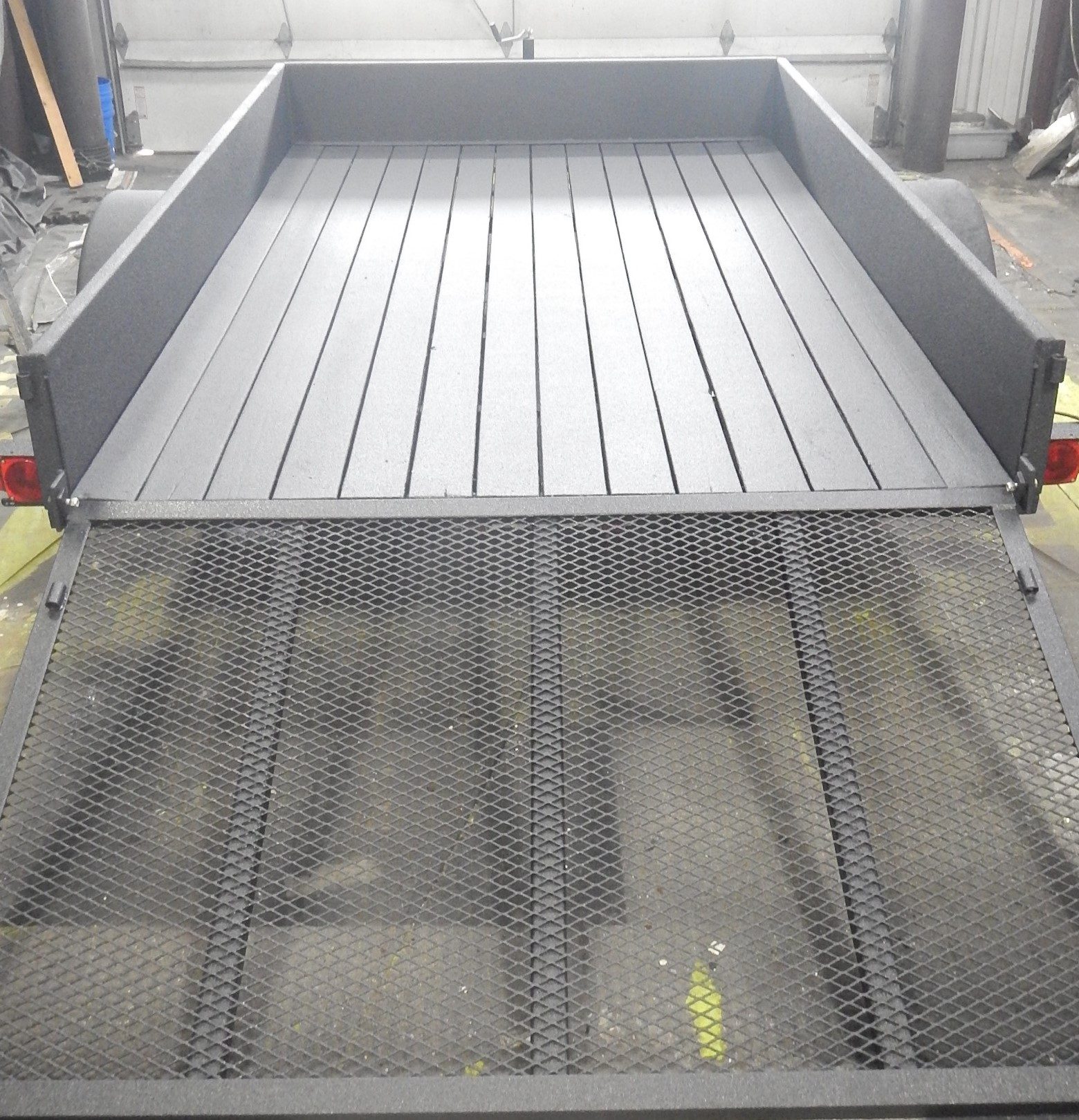
- Slide-out toppers & rails
- Front & rear cap transitions
- Roof-mounted AC & vent flanges
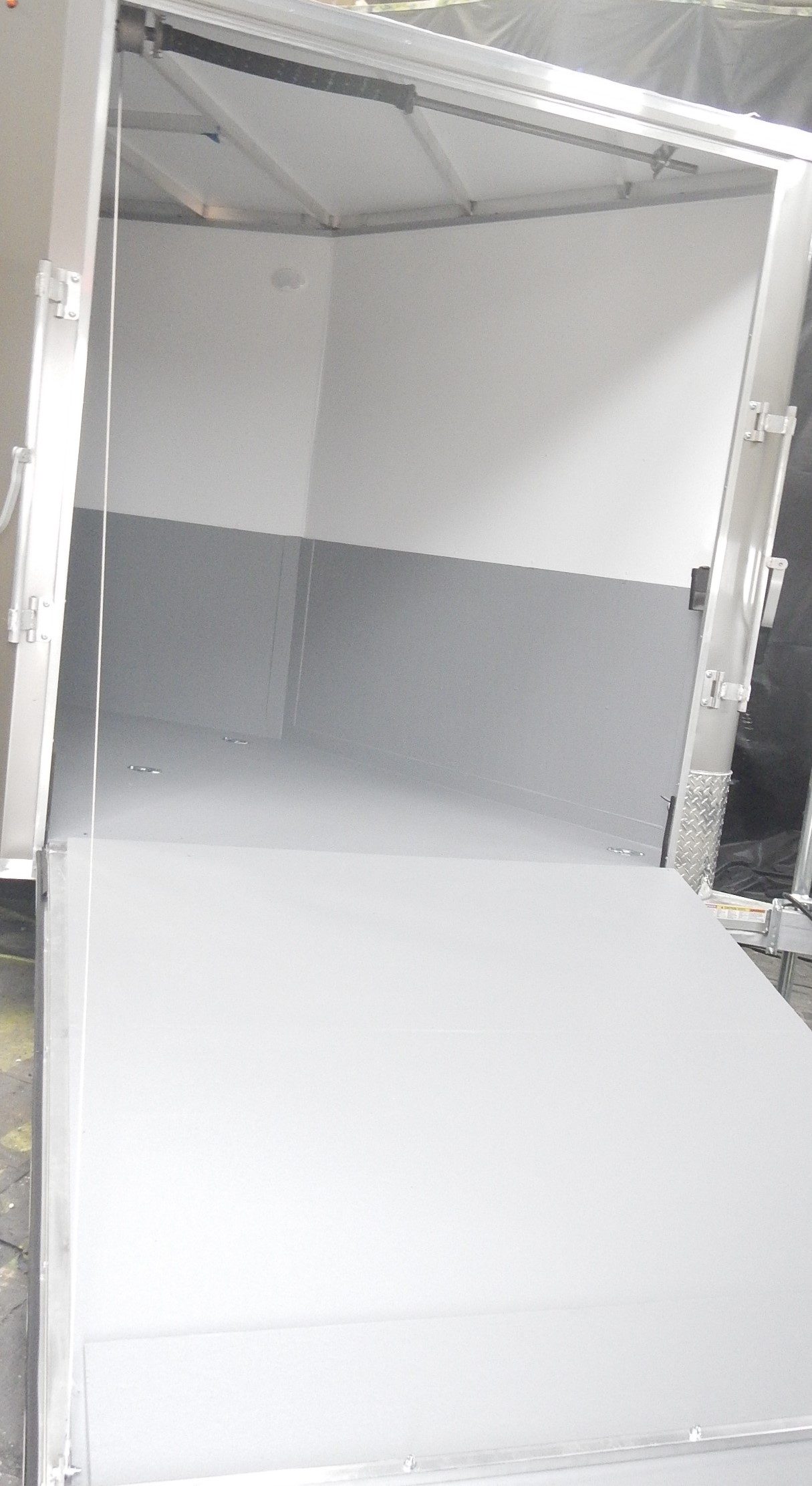
- Basement & pass-through bays
- Wet bays & utility compartments
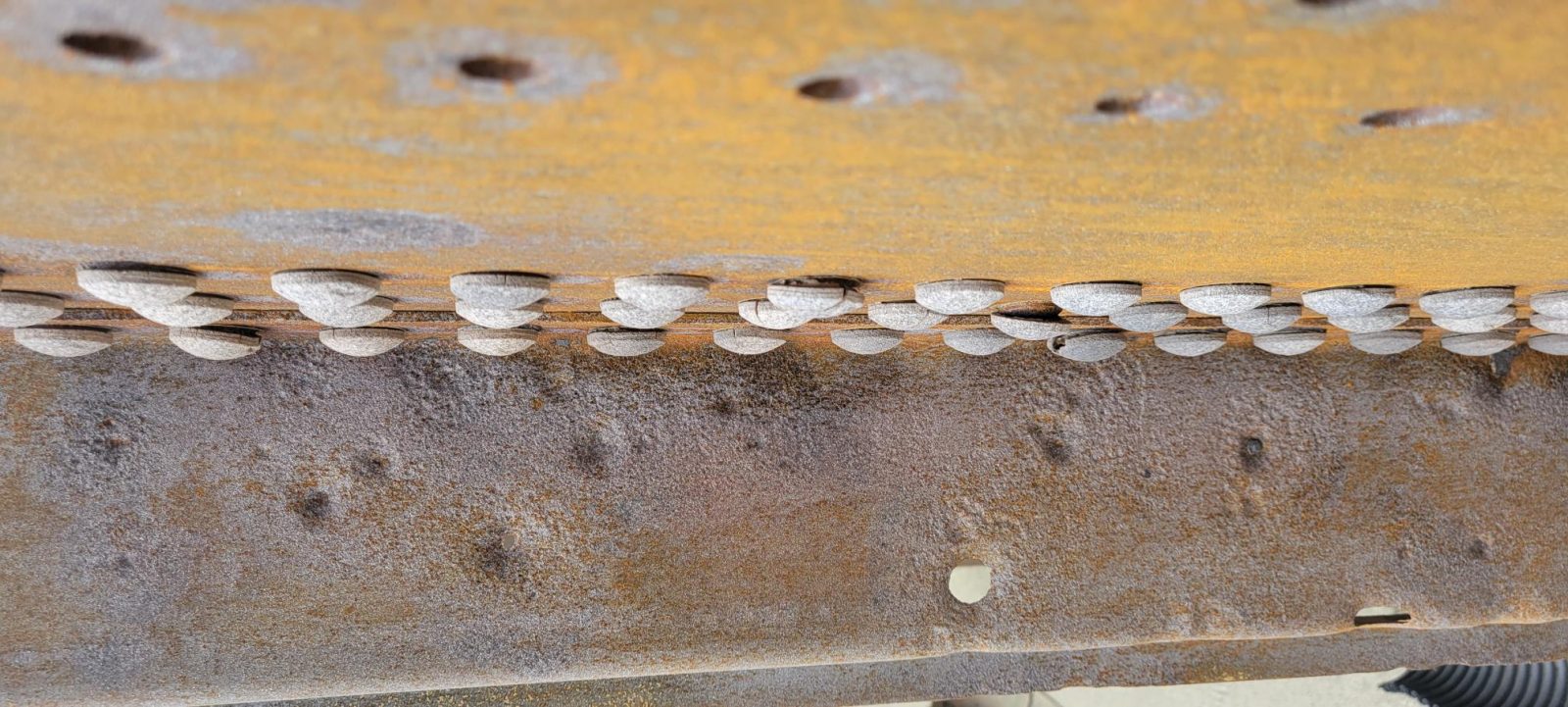
- Chassis rails & underbelly
- Awning rails & mounting rails
The RV Waterproofing System
Three products. Consistent spec across every unit that comes through the bay.
Water Intrusion Is the Depreciation Nobody Budgets For
Ask any RV appraiser what kills a unit and it is not the drivetrain, the appliances, or the mileage. It is water. A coach with 90,000 miles and a dry, sound envelope holds value. A coach with 30,000 miles and a soft spot in the rear cap is a wholesale unit.
What makes it expensive is the construction. RV walls and roofs are laminates — skin, foam, framing, interior panel — bonded together. Water that gets past the outer layer does not run out and does not dry. It stays in the foam, wicks along the framing, and separates the bond. By the time it shows on the interior, the repair is not sealing. It is reconstruction.
For an operator this is a fleet math problem. A rental company or a park with twenty long-term units is running twenty maintenance schedules on a sealant product that fails on a predictable timeline. Removing the sealant joint entirely takes a recurring labor line and a recurring warranty exposure off the books at the same time.
Operational Numbers
What Differs by Coach Class
The system is the same. The scope is not.
- Class A. Largest roof area, most rooftop equipment, and a full-height front cap that takes wind-driven rain at speed. Also the most basement bay volume to seal. Highest detail count on the list.
- Class C. The cab-over is the defining detail. That joint between a manufactured cab-over and a chassis cab is the single most common water entry on the class, and it is a compound curve.
- Fifth wheel. The front cap and the pin-box area take the most road spray of any towable. Two-level roofs mean an extra transition and often a step in the deck that ponds.
- Travel trailer. Simplest scope and the highest volume by unit count. Roof, both caps, vent flanges, corner trim, and bay tops.
- Toy hauler. Add the ramp door header and the garage roof, and expect the rear wall seams to have been worked hard.
We will build a scope by class if you are quoting a mixed fleet.
RV Work
Quoting One Unit or Twenty?
Send the class, the length, the roof material, and the unit count. You will get a scope by class, a DFT schedule, coverage math, and pricing. Dealers, rental fleets, parks, and mobile techs: mention monthly volume for the wholesale schedule.
Request Fleet PricingGet Fleet & Dealer Pricing
Tell us about your project and we will follow up with product details, technical data sheets, and pricing.
Frequently Asked Questions
Frequently Asked Questions
From owners, and from the shops running units at volume.
For Fleets & Shops
How many units can a crew do in a day?
Spray time is short — a towable roof is under an hour of actual application. Prep is the constraint. A crew running a wash-and-strip station in parallel with the spray bay can move two to three towables a day. Class A coaches with multiple slides and heavy roof equipment are generally a two-day unit including prep.
Does this affect the manufacturer warranty on a newer unit?
Coating a roof is an aftermarket modification and how a given manufacturer treats it varies. On in-warranty units, check the specific coverage language first. In practice most of this work happens on units past the roof warranty period, or on trade-ins and rental inventory where it is a reconditioning decision rather than a warranty question.
Can you build a quotable scope by coach class?
Yes — that is what most dealers and fleets ask for first. Send us your unit mix and we will put together a scope, material takeoff, and DFT schedule per class that a service writer can price consistently.
Do you help shops that want to bring this in-house?
Yes. If you already run plural-component equipment we supply material, parts, and spec support. If you are adding the capability, we help with proportioner and hose selection, training, and working through the first several units. We would rather your first ten jobs go well than sell you a pallet and disappear.
Performance & Materials
Does it work on every roof material?
Yes — EPDM, TPO, fiberglass, and aluminum all take the system. What changes is prep. EPDM needs the most cleaning because of the plasticizer it sheds; TPO needs the primer most because it is slick; fiberglass needs scuffing to kill gloss and remove mold-release wax; aluminum needs degreasing and attention at rivet lines.
What happens in extreme heat or cold?
Service range is −40°F to 250°F. A black roof in Arizona in August and a stored coach in a Minnesota February are both inside it. The membrane does not soften and track dirt in summer heat and does not go glassy and crack under winter deck flex — the two failure modes that catch rigid roof coatings.
What about hail?
A 60-mil elastomeric membrane at 300–400% elongation absorbs impact instead of fracturing. Hail may dent the substrate; the membrane stretches over the deformation and stays watertight. This is a meaningful difference from acrylic and asphaltic products, which crack at the dent perimeter.
Does it help at resale or trade-in?
Water intrusion is the largest single destroyer of RV value, and a documented seamless roof and seam seal is a real line item on an appraisal. It is also a straightforward selling point on a used unit, because the buyer's first question about any coach older than five years is whether the roof has been maintained.
Scope & Limits
Do I need to do the whole unit or just the roof?
The roof and all its penetrations is the core scope and where most of the leaks are. Caps, slide rails, bays, and chassis are additional scope with real value — cap seams in particular are a top-three leak source and are often the actual culprit when a "roof leak" gets diagnosed properly. We will price it either way.
Can you coat a unit that already has water damage?
Only after the damage is addressed. Sealing over saturated laminate traps moisture inside where the rot continues. If the panels are firm and the moisture meter reads dry, seal it now. If the wall is soft or delaminated, that section has to be rebuilt first — we will tell you honestly which one you are looking at.
Can I roll this on myself?
No. Alasta Seal is a plural-component material requiring a proportioner with a heated hose — Graco Reactor E-20/E-30 class or equivalent. For owners without a rig, we can refer an applicator or a mobile tech in your area.
How much material does a unit take?
One gallon yields 1,604 mil-sq-ft. A 200 sq ft travel trailer roof runs about 7–8 gallons of field material at 50 mil; a 340 sq ft Class A roof runs 12–14. Detail build at flanges, seams, and caps adds on top of that. Send us the unit list and we will do the takeoff.
Question About Your Fleet or Your Unit?
Ask us. Someone who has sprayed these will answer, and they will tell you when the answer is no.
Ask a Question